

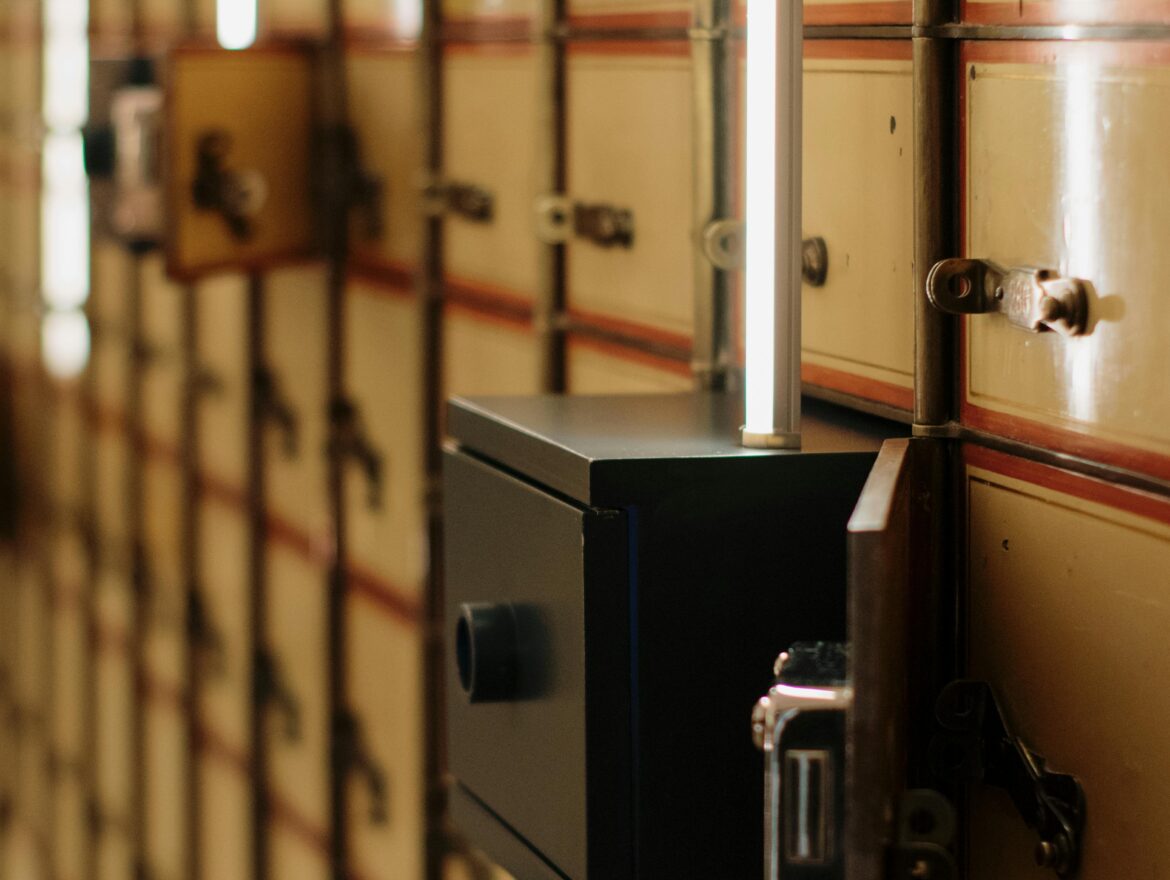
L’apertura della cassetta di sicurezza a seguito del decesso dell’intestatario rappresenta una delle operazioni necessarie da compiere prima di poter redigere la dichiarazione di successione. Tale attività è disciplinata da norme specifiche volte a garantire la tutela degli aventi diritto e la corretta ricostruzione dell’asse ereditario.
Relativamente al quadro normativo di riferimento, la disciplina primaria si rinviene negli articoli del codice civile relativi alla successione mortis causa (artt. 456 ss. c.c.) e nelle disposizioni sulla responsabilità della banca in materia di cassette di sicurezza (artt. 1839 ss. c.c.). Ulteriore fonte normativa è rappresentata dal Testo Unico delle Imposte sulle Successioni e Donazioni (D.lgs. 346/1990), il quale prevede specifici obblighi dichiarativi e fiscali in capo agli eredi.
È inoltre prassi costante che i contratti bancari di apertura della cassetta contengano clausole che disciplinano le modalità di accesso in caso di morte del titolare, le quali, pur non potendo derogare alle norme imperative, assumono rilievo operativo.
Vediamo ciò che accade nel dettaglio: anzitutto, con il decesso del titolare, la banca è tenuta a inibire ogni accesso alla cassetta di sicurezza, anche qualora il contratto preveda l’esistenza di cointestatari con facoltà disgiuntiva. L’istituto, infatti, deve assicurare la conservazione dello status quo fino alla definizione della posizione successoria, al fine di evitare sottrazioni o alterazioni del contenuto.
La banca, venuta a conoscenza della morte del cliente, è obbligata a richiedere agli eredi:
- documentazione attestante l’evento morte (certificato di morte o dichiarazione sostitutiva);
- documenti comprovanti la qualità di erede (dichiarazione sostitutiva di atto notorio oppure provvedimento giudiziale).
L’apertura della cassetta non richiede necessariamente l’avvenuta accettazione dell’eredità: possono richiederla anche i chiamati, purché debitamente identificati. Tale apertura, tuttavia, non equivale ad accettazione tacita dell’eredità, poiché essa ha natura meramente ricognitiva e non implica atti dispositivi.
L’apertura della cassetta deve essere effettuata in presenza degli eredi o dei loro rappresentanti, di un notaio incaricato della redazione del verbale di apertura della cassetta e di un funzionario della banca.
Il notaio procede alla redazione dell’inventario ove viene riportata la descrizione dettagliata dei beni rinvenuti con il valore presunto dei beni stessi.
L’inventario redatto per atto pubblico dal notaio rappresenta un documento fondamentale ai fini della successiva ricostruzione dell’asse ereditario e della corretta redazione della dichiarazione di successione.
Per quanto riguarda i profili fiscali, i beni contenuti nella cassetta di sicurezza concorrono alla determinazione della base imponibile dell’imposta di successione. La banca può consentire l’asporto dei beni solo dopo la presentazione della dichiarazione di successione o, in mancanza, previa prestazione di garanzia a favore dell’Agenzia delle Entrate, secondo quanto previsto dal D.lgs. 346/1990. Nel caso di valori mobiliari (titoli, denaro contante, preziosi), è necessario procedere alla valutazione secondo i criteri fiscali vigenti alla data di apertura della successione.
Nel caso di cassetta cointestata, la morte di uno dei titolari comporta comunque la sospensione dell’accesso per tutti, salvo il caso in cui gli altri cointestatari dimostrino documentalmente che determinati beni sono di loro esclusiva proprietà. Tuttavia, tale prova risulta spesso complessa, ed è di regola preferibile procedere comunque ad apertura alla presenza del notaio e alla redazione dell’inventario.
In sintesi, l’apertura della cassetta di sicurezza in caso di successione è un atto che richiede rigore formale, gli eredi devono: comunicare tempestivamente il decesso alla banca; richiedere l’intervento di un notaio per la redazione del verbale di apertura della cassetta di sicurezza con relativo inventario e valutazione dei beni.
Al momento dell’apertura della cassetta, il notaio redige l’inventario, descrivendo i beni trovati, ma sono gli eredi i soggetti responsabili di indicare il valore dei beni nella dichiarazione di successione, i quali ricorrono a professionisti qualificati per stimare correttamente i singoli beni.
L’Agenzia delle Entrate, poi, può verificare il valore dichiarato ed eventualmente contestare la stima effettuata se ritenuta incongrua ai fini dell’imposta di successione.
In sintesi, il Notaio descrive i beni e ne fa l’inventario, ma non ne determina il valore (salvo casi semplici), gli eredi indicano i valori da riportare nella dichiarazione di successione e i periti/esperti forniscono la valutazione economica effettiva.
L’osservanza delle corrette procedure garantisce la tutela degli aventi diritto, riduce il rischio di contestazioni e assicura una gestione conforme alle norme civilistiche e fiscali.
DISCLAIMER
Gentile utente,
gli articoli e i contenuti del sito illustrano sinteticamente tematiche giuridiche, economiche e fiscali. Le informazioni contenute nel sito hanno solo carattere esemplificativo, informativo e non hanno carattere esaustivo, né possono essere intese come espressione di un parere legale. Nessuna responsabilità derivante da un utilizzo improprio dei contenuti del sito, da eventuali modifiche intervenute nella normativa o da possibili imprecisioni, potrà essere pertanto imputata al Notaio Edoardo Del Monte o agli estensori delle pubblicazioni medesime.
Opening a safe deposit box in the event of inheritance: what to do?
Opening a safe deposit box following the death of the account holder is one of the necessary steps to be taken before the inheritance declaration can be drawn up. This activity is governed by specific rules aimed at protecting the rights of the beneficiaries and ensuring the correct reconstruction of the estate.
With regard to the relevant regulatory framework, the primary regulations can be found in the articles of the Civil Code relating to succession mortis causa (Articles 456 et seq. of the Civil Code) and in the provisions on the bank’s liability with regard to safe deposit boxes (Articles 1839 et seq. of the Civil Code). A further source of legislation is the Consolidated Law on Inheritance and Gift Tax (Legislative Decree 346/1990), which lays down specific reporting and tax obligations for heirs.
It is also standard practice for bank contracts for the opening of safe deposit boxes to contain clauses governing access in the event of the death of the holder, which, although they cannot derogate from mandatory rules, are operationally significant.
Let’s take a closer look at what happens: first of all, upon the death of the account holder, the bank is required to block all access to the safe deposit box, even if the contract provides for joint account holders with separate rights. The bank must ensure that the status quo is maintained until the succession is settled, in order to prevent any removal or alteration of the contents.
Upon learning of the customer’s death, the bank is obliged to request the following from the heirs:
– documentation certifying the death (death certificate or substitute declaration);
– documents proving the status of heir (substitute declaration of notarial deed or court order).
The opening of the safe deposit box does not necessarily require the acceptance of the inheritance: it may also be requested by the beneficiaries, provided they are duly identified. However, such opening does not constitute tacit acceptance of the inheritance, as it is merely for inspection purposes and does not imply any dispositive acts.
The safe deposit box must be opened in the presence of the heirs or their representatives; a notary appointed to draw up the minutes of the opening of the safe deposit box; and a bank official.
The notary draws up an inventory containing a detailed description of the assets found and their estimated value.
The inventory drawn up by the notary in a public deed is a fundamental document for the subsequent reconstruction of the estate and the correct drafting of the declaration of succession.
As regards tax matters, the assets contained in the safe deposit box contribute to the determination of the taxable base for inheritance tax. The bank may allow the removal of the assets only after the declaration of succession has been submitted or, failing that, after a guarantee has been provided in favour of the Revenue Agency, in accordance with the provisions of Legislative Decree 346/1990. In the case of securities (securities, cash, valuables), it is necessary to proceed with the valuation according to the tax criteria in force on the date of the opening of the succession.
In the case of a joint account, the death of one of the account holders will result in the suspension of access for all, unless the other joint account holders can provide documentary evidence that certain assets are their exclusive property. However, such proof is often complex, and it is generally preferable to proceed with the opening of the account in the presence of a notary and to draw up an inventory.
In summary, opening a safe deposit box in the event of inheritance is a procedure that requires formal rigour. The heirs must: promptly notify the bank of the death; request the intervention of a notary to draw up the report on the opening of the safe deposit box with the relative inventory and valuation of the assets.
When the safe deposit box is opened, the notary draws up an inventory describing the assets found, but it is the heirs who are responsible for indicating the value of the assets in the inheritance declaration, and they must use qualified professionals to correctly estimate the value of each asset.
The Revenue Agency may then verify and contest the declared value, if it is deemed inappropriate for inheritance tax purposes.
In summary, the notary describes the assets and draws up an inventory, but does not determine their value (except in simple cases), the heirs indicate the values to be reported in the inheritance declaration, and the experts provide the actual economic valuation.
Compliance with the correct procedures guarantees the protection of those entitled, reduces the risk of disputes and ensures management in accordance with civil and tax regulations.
DISCLAIMER
Dear user,
the articles and contents of the site briefly illustrate legal, economic and fiscal issues. The information contained in the site is for illustrative and informative purposes only and is not exhaustive, nor can it be considered as an expression of legal opinion. No liability arising from improper use of the contents of the site, from any changes in the legislation or from possible inaccuracies, can therefore be attributed to Notary Edoardo Del Monte or to the authors of the publications themselves.
